
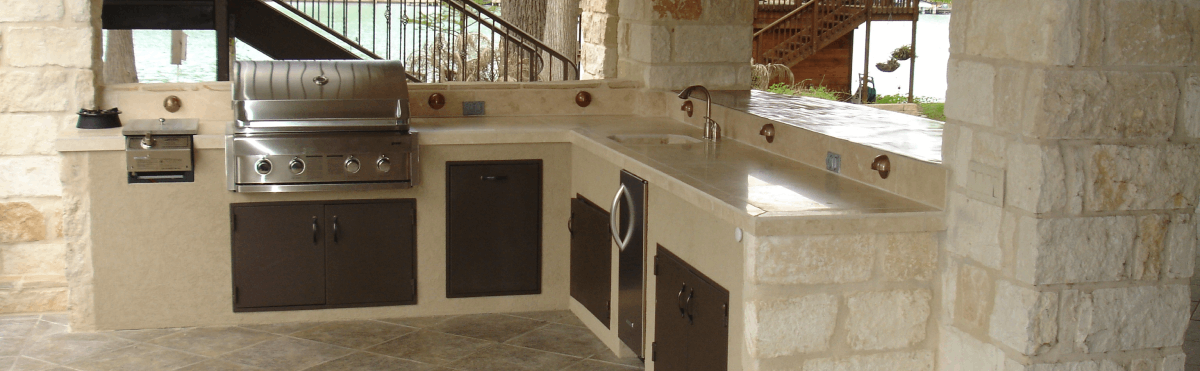
BBQ Food Overview: Meats, Vegetables & Techniques
BBQ is a social ritual that blends flavor and patience, and it matters because it creates bonds around smoke, fire, and conversation. The act of selecting cuts, preparing marinades, and tending low, steady heat invites everyone to slow down, observe the color of the bark, and celebrate progress as meat becomes tender and vegetables caramelize. This approach rewards time and technique with depth of flavor, where smoke compounds, Maillard reactions, and fat rendering layer complexity that slow cooking can achieve. Across regions and cultures barbecue expresses identity through woods, rubs, sauces, and styles, allowing cooks to honor tradition while exploring new ideas. Beyond taste, BBQ teaches practical skills in heat control, safety, and menu planning, turning a backyard gathering into a learning experience that improves with each cookout. Ultimately, BBQ matters because it creates shared memory through bites of juicy meat and smoky vegetables that come together as a meal and as a story that guests carry forward. Every cookout offers a chance to mentor newcomers, celebrate family recipes, and document adjustments to improve flavor and yield on future gatherings.
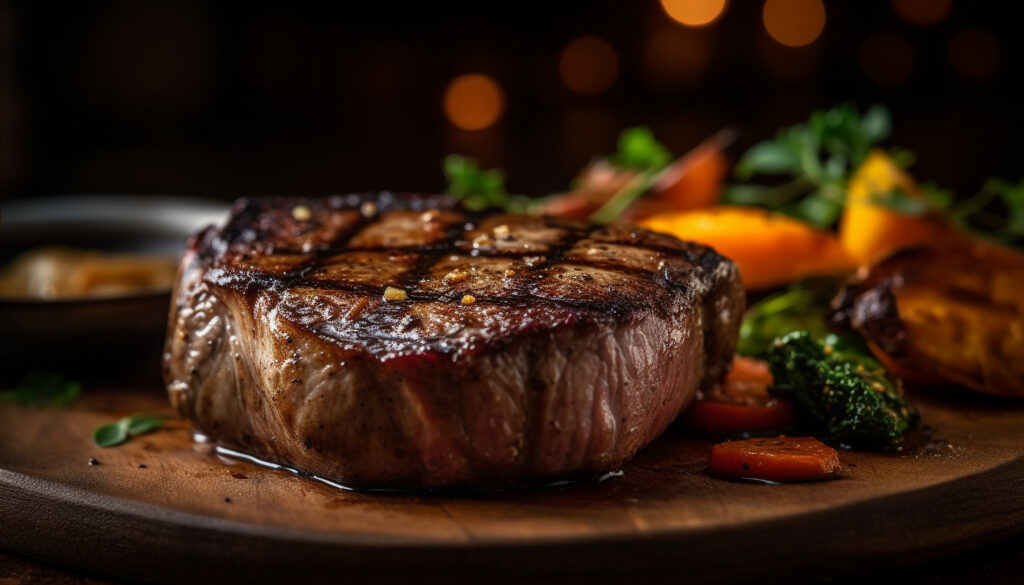
Why BBQ Food Matters
BBQ is a social ritual that blends flavor and patience, and it matters because it creates bonds around smoke, fire, and conversation. The act of selecting cuts, preparing marinades, and tending low, steady heat invites everyone to slow down, observe the color of the bark, and celebrate progress as meat becomes tender and vegetables caramelize. This approach rewards time and technique with depth of flavor, where smoke compounds, Maillard reactions, and fat rendering layer complexity that only slow cooking can achieve—much like strategy and timing matter in other leisure experiences such as Slotsvader casino, where anticipation is part of the enjoyment.
Across regions and cultures, barbecue expresses identity through woods, rubs, sauces, and styles, allowing cooks to honor tradition while exploring new ideas. Beyond taste, BBQ teaches practical skills in heat control, safety, and menu planning, turning a backyard gathering into a learning experience that improves with each cookout. Ultimately, BBQ matters because it creates shared memories through bites of juicy meat and smoky vegetables, coming together as a meal and as a story guests carry forward. Every cookout offers a chance to mentor newcomers, celebrate family recipes, and refine techniques to improve flavor and yield for future gatherings.
Common Ingredients and Flavors
To keep flavor cohesive across items, it helps to think of barbecue as a dialogue between ingredients and heat, where salt, acid, fat, and smoke co-create layers of aroma, tenderness, and crust that evolve with every minute of cooking. A well-rounded pantry of ingredients gives cooks options to build layered profiles, from juicy pork and smoky beef to bright vegetables and gently charred seafood, ensuring each grill session can be adjusted to guest preferences, dietary needs, and seasonal produce, while prioritizing core techniques like proper brine, dry rub application, and controlled airflow for steady temperatures, which reduces guesswork and elevates consistency to a high level. Then the list:
- Beef and pork cuts such as brisket, ribs, and shoulder, which develop deep color and bark when slow-smoked, complemented by fat marbling that keeps meat juicy during long cooks.
- Poultry and seafood options like chicken thighs and salmon bring lighter textures and faster cook times, absorbing smoky flavors through careful brining, seasoning, and attentive heat control.
- Vegetables such as peppers, zucchini, corn, and mushrooms contrast with meat by offering sweetness and smoke, enabling vibrant, caramelized edges when brushed with oil and seasoned early.
- Marinades and rubs provide flavor frameworks, from tangy citrus to spicy coffee rubs, guiding moisture retention and creating a balanced surface texture that holds sauces and toppings well.
- Barbecue sauces and glaze ideas offer regional voice, ranging from vinegar-based Carolina styles to sweet tomato-based molasses sauces, enabling diners to customize heat, acidity, and sweetness per bite.
Remember to use thermometer checks and practice safe handling. Use the table as a guide, not a fixed rule, and adapt to weather and equipment.
Nutrition and Safety Basics
A practical reference that highlights safety and nutrition across common items helps plan menus with confidence and reduces the chance of overcooking, under seasoning, or unsafe handling. The following table consolidates temperatures, cook times, and key notes so you can coordinate work shifts, rest periods, and serving windows during an outdoor cookout.
| Food Item | Target Internal Temp (F) | Typical Cook Time (at 225–250 F) | Notes |
|---|---|---|---|
| Beef Brisket (flat) | 203°F | 8–12 hours | Wrap when bark forms; rest 30–60 min |
| Pork Shoulder (Boston butt) | 195–205°F | 10–14 hours | Stall management; rest up to 60 min |
| Chicken Thighs (bone-in) | 165°F | 40–60 minutes | Cook until near bone; avoid undercooking |
| Salmon Fillet | 125–130°F | 20–30 minutes | Skin-side down; monitor for doneness |
| Portobello / Halloumi (vegetarian option) | 165°F | 15–25 minutes | Grill until moisture evaporates |
Use thermometer checks and practice safe handling. Use the table as a guide, not a fixed rule, and adapt to weather and equipment.
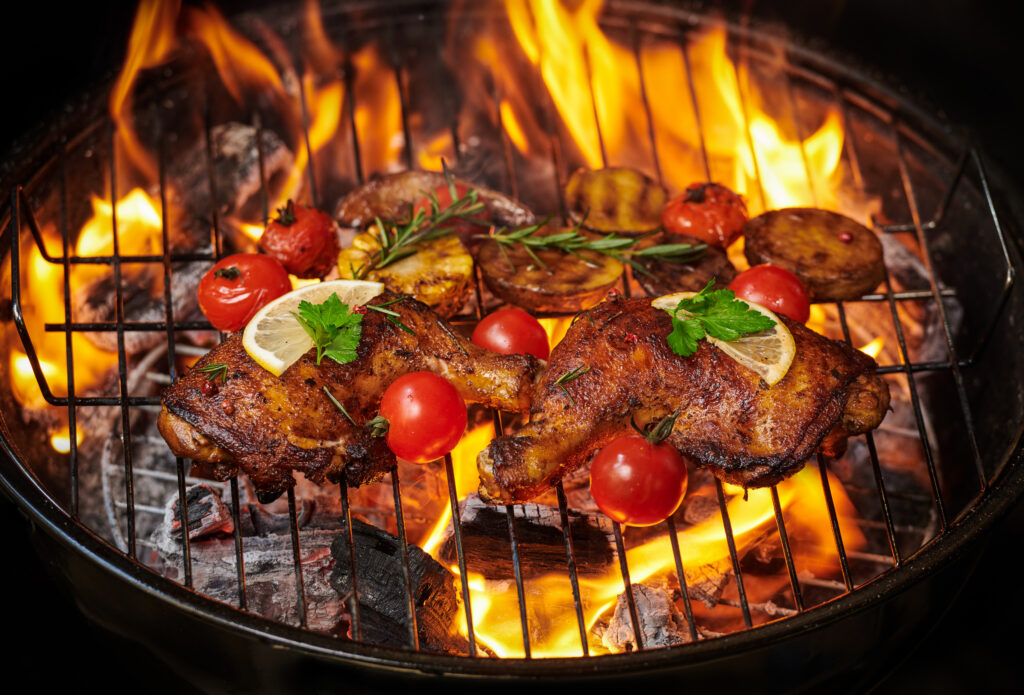
Planning a BBQ Menu
Planning a BBQ menu is a strategic exercise in balancing variety, timing, and audience expectations, ensuring there are flavors that appeal to meat lovers, vegetarians, children, and guests with dietary restrictions. Begin with a core protein that anchors the spread, such as a smoked brisket or pork shoulder, then add two lighter proteins like chicken thighs and seafood to create a spectrum of textures and temperatures. Support the proteins with vegetable sides and grilled greens that refresh palate and brighten the plate, and pair them with sauces or marinades that offer both familiarity and subtle surprises. Consider portion planning by estimating 6 to 8 ounces of cooked meat per adult and adding 1 to 2 sides per person, while scaling for children and heavier eaters, ensuring enough for seconds without excessive waste. Schedule preparation by staggering tasks: dry rubs can be applied a day ahead, marinades may need 2 to 4 hours, and vegetables can be prepped in the morning, with grill setup and cold side readiness finalized just before guests arrive. Safety and weather readiness matter too; verify grill maintenance, ensure clean hands and utensils, keep raw meats separate, and have a backup plan for rain or crowd surges that affect cooking times. Finally, design a menu that invites experimentation, keeps costs reasonable, and aligns with your equipment, whether you rely on charcoal, gas, or wood pellet smokers, so you can adjust heat zones, timing, and texture without compromising flavor. As you refine your plan, document lessons from each cookout, note which marinades and rubs reliably pair with your chosen proteins, and create a simple shopping list and timeline you can reuse. A well rounded menu also includes sides and starch options such as corn on the cob, grilled potatoes, baked beans, and a crowd pleasing dessert that travels well. Finally, ensure the menu offers a vegetarian option that still showcases skill and balance, so guests with restrictions feel included and the table experience remains cohesive.
Meat Options: Cuts, Quality, Sourcing & Specifications
Understanding meat options is essential for successful BBQ. This section covers popular cuts, how to evaluate quality, where to source them, and best practices for handling and storage. You’ll find guidance on choosing the right cuts for grilling, smoking, and quick weeknight BBQ, plus tips on recognizing freshness and avoiding common pitfalls. With these basics, you can plan menus that balance flavor, texture, and cooking time, whether you’re searing a ribeye or slow-smoking brisket. From market to grill, the goal is consistent results and delicious BBQ that fits your equipment and time.
Popular Cuts for BBQ
Choosing the right cut is the first step to great BBQ. The table below compares common options by their best uses, typical cooking methods, and notes to keep in mind during prep.
| Cut | Best For | Avg Cook Time | Notes |
|---|---|---|---|
| Ribeye | Direct grilling, high-heat searing to develop crust and rich, beefy flavor; ideal for 1-inch to 1.5-inch thick steaks. | 6–10 minutes total (depending on thickness) on a hot grill or cast iron, with brief rests. | High marbling; flame management is crucial to prevent flare-ups and overly charred exterior. |
| Brisket (point) | Low-and-slow smoking to render fat and achieve tender, flavorful bark and deep smoke aroma. | 10–20+ hours at low temperature (225–275°F/110–135°C), depending on weight. | Must manage fat cap, moisture, and wrap stage; trust thermometers and plan for resting. |
| Pork shoulder (Boston butt) | Pulled pork and sandwiches; forgiving and juicy texture when properly smoked. | 8–12 hours at 225–250°F (107–121°C) on indirect heat. | Trim excess fat but leave enough for moisture; use a rub with sugar to balance bark. |
| Short ribs | Grilled or braised; deep beefy flavor; best when cut across the bone for tenderness. | 2–4 hours depending on thickness and method (smoking or direct grilling). | Allow adequate smoke penetration; consider finishing in a wrap or glaze for tenderness. |
| Tenderloin | Grill over high heat; lean, elegant center-cut with delicate texture. | 8–15 minutes total for 1.5–2 inch steaks, plus rest. | Lean; cooks fast; mind internal temp to avoid dry texture. |
| Flank steak | Slices for fajitas or quick-grill flavor. | 6–8 minutes total on hot grill; finish with a rest. | Marinade helps tenderness; slice thinly against the grain. |
Use this table as a quick reference when planning a BBQ session. Consider your equipment and time when choosing between a fast-grill cut or a longer, smoke-driven option.
Quality Indicators and Grading
Quality indicators guide you from the market to the grill. Healthy-looking meat with consistent color, minimal surface moisture, and a clean aroma is a good start. Look for marbling patterns that hint at juiciness, and avoid cuts with gray-brown edges or signs of drying. Freshness signs include firm texture and the absence of sour odors; aging can influence tenderness and flavor when you buy prime cuts or purposefully aged beef. Even distribution of fat cap and intramuscular fat matters because it helps moisture retention during cooking, while too much external fat can cause flare-ups. Certifications such as USDA grades, grass-fed, or naturally raised labels provide context for texture, taste, and ethical considerations; verify claims with supplier documentation and track authenticity through packaging. Temperature control and handling before cooking influence final quality; keep meat cold, minimize time at room temperature, and thaw safely to preserve texture, safety, and overall yield.
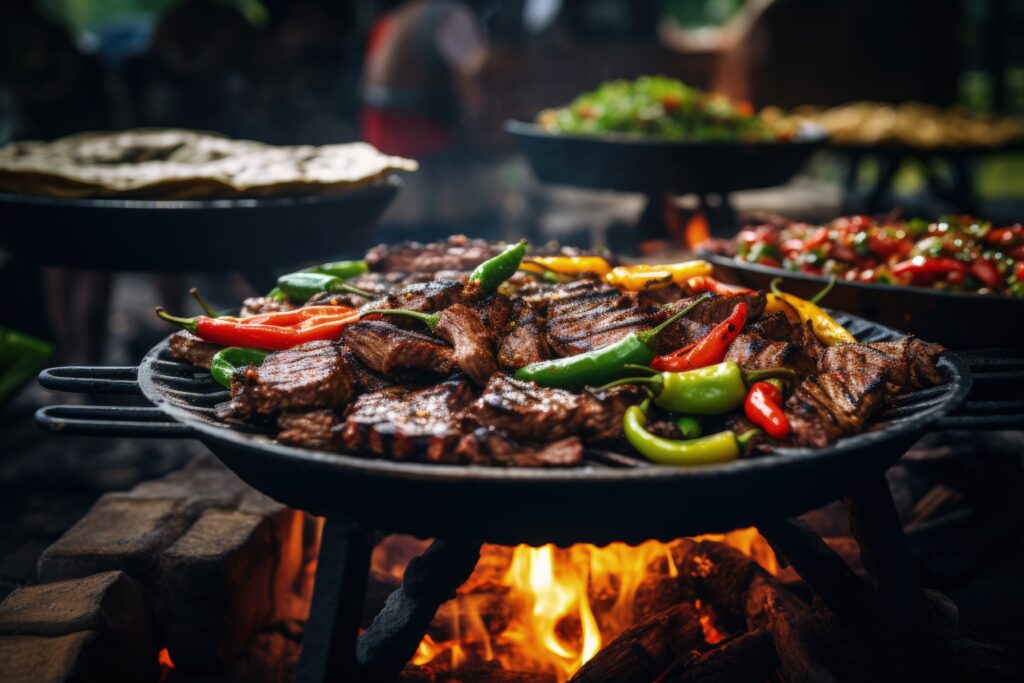
Sourcing: Butchers, Wholesale, and Online
Sourcing high-quality BBQ meat starts with understanding where to shop and what questions to ask. The right vendor balances reliability, traceability, pricing, and cut availability, so you can tailor selections to your recipe and schedule. Local butchers excel at customizing cuts, offering trim levels, bone-in versus boneless options, and the ability to request specific weights or thicknesses. They can explain marbling, yield, and aging effects, and often provide practical cooking tips based on your grill or smoker. A visit lets you inspect muscle, fat distribution, and overall freshness, which helps you plan for uniform cooks. Build a relationship; you’ll gain access to recommendations for regional specialties and seasonal cuts. Don’t hesitate to ask about sourcing practices, packaging, and whether they can age meat to your preference. Additionally, if you’re unsure about a cut, ask for a sample slice or in-house cooking tips. Also discuss whether you prefer trimming or deboning to fit your grill setup. Wholesale suppliers and club distributors can be cost-effective for larger cooks or party events. Look for bulk primals, case packs, and value-added options, but verify the exact cut and trim level before buying. Ask about grade standards, freshness windows, and return policies if a product doesn’t meet expectations. For larger gatherings, consider splitting orders to balance variety with consistency. Check delivery frequency and lead times to plan menus around your schedule. If you’re hosting a large event, consider staggering orders to ensure consistent quality and supply. Online meat retailers expand selection, especially for specialty cuts or regional offerings; check delivery windows, packaging, and temperature controls during transit. Read customer reviews for reliability and handling history, and choose vendors that provide clear weight, grade, and cut specifications. Confirm minimums, shipping costs, and whether dry ice or gel packs are used to maintain cold chain. Request clear documentation on origin, processing date, and any certifications.
Handling and Storage
Safe storage begins with proper refrigeration and organization; keep beef and pork at or below 40°F (4°C) and separate raw from ready-to-cook items to prevent cross-contamination. Store larger cuts on a bottom shelf to avoid accidental drips and use original packaging or airtight wraps to minimize moisture loss. Label packages with dates so you use the oldest product first and rotate stock regularly. For longer storage, portions can be frozen in vacuum-sealed or tightly wrapped packages, then thawed safely before cooking. Thawing meat safely is essential for even cooking and moisture retention. In the fridge, small cuts may thaw in 24 hours, while large roasts or briskets can require 24–48 hours per 2–5 pounds; plan accordingly. If time is short, use a cold-water method: seal in waterproof plastic and submerge, changing water every 30–60 minutes; expect several hours for small portions and longer for bigger cuts. Never thaw meat on the counter; temperature abuse increases bacteria risk and compromises texture. Pre-cook handling shapes the final bite; pat meat dry before applying rubs or marinades to promote crust formation. Trim excess external fat judiciously to balance juiciness with even cooking and avoid oversized melt-through; season generously, then let rubs penetrate for 15–60 minutes depending on cut. Savor resting: allow cooked meat to rest 5–20 minutes before slicing to redistribute juices and finish tenderization; slicing against the grain improves tenderness. When marinating, do not reuse leftover marinade unless it has been boiled to safety; discard any used marinade to avoid cross-contamination.
Vegetable Selections: Freshness, Varieties & Preparation
Vegetable selections set the foundation for a successful BBQ, balancing sweetness, texture, and smoky notes. Fresh ingredients tolerate heat better and respond to quick searing or gentle grilling. Varieties offer colors and flavors that complement meats and marinades, while proper prep preserves nutrients. From crisp peppers to tender squash, this guide walks through selection, preparation, and pairing to elevate plant-based and grilled dishes. Mastery of prep helps you maximize grill time and avoid soggy or over-charred vegetables.
Best Vegetables for Grilling
Choosing vegetables that stand up to heat ensures even cooking and bold flavor. The following picks perform well across most grills and weather variations.
- Bell peppers add sweetness with a light blister, and their firm walls hold up to high heat while imparting a pleasant smoky char that complements marinades.
- Zucchini and yellow squash deliver quick, uniform cooking; slice into planks or thick coins so they color evenly and resist drying under intense grill flames.
- Eggplant soaks up smoke and becomes creamy inside when grilled; slice into thick rounds, lightly salt to draw moisture, then finish with olive oil for shine.
- Asparagus spears thrive on high heat, their tips crisp quickly while the stalks stay tender; trim tough ends and brush with lemon zest-infused oil.
- Corn on the cob delivers a classic BBQ texture; grill with husks on or off to develop caramelized kernels and a sweet, smoky aroma.
Keep portions uniform for consistent sear and use oil to prevent sticking. Season lightly to let the vegetables’ natural sweetness shine.
Preparation Techniques
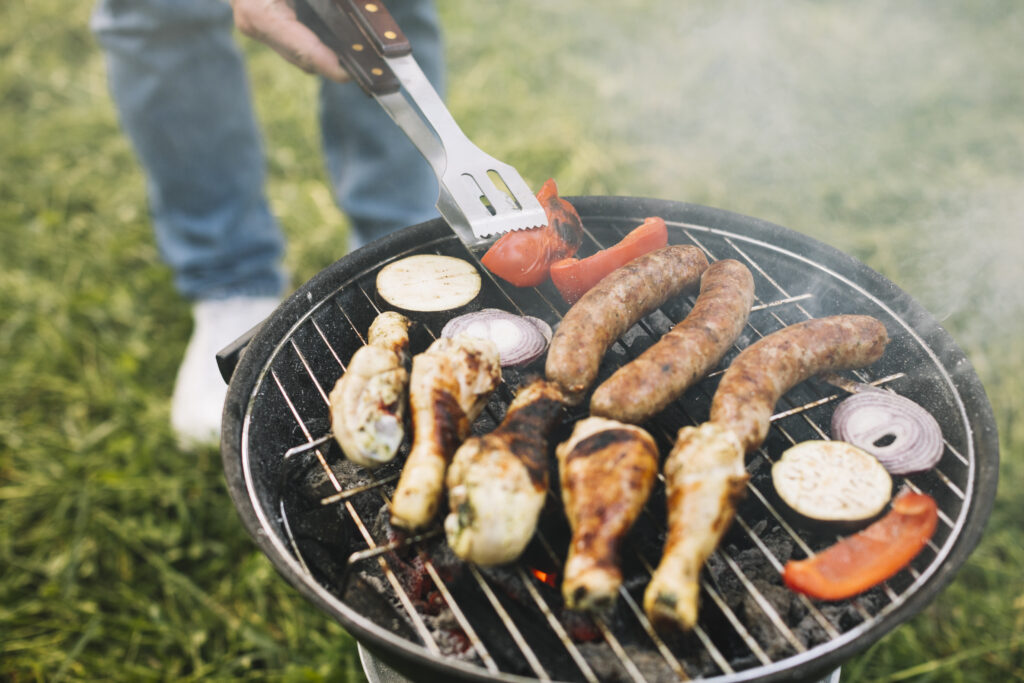
Preparation is the bridge between fresh vegetables and a perfect grill experience. Start by thinking in uniform pieces so heat reaches every edge at the same rate, preventing undercooked centers or over-charred outsides. Plan for direct heat for quick-cooking vegetables and indirect heat for denser cuts or smoky flavor development. Cutting styles matter. Slice peppers in wide strips, zucchini lengthwise, eggplant into rounds, and mushrooms into thick caps rather than flat slabs. Keeping consistent thickness helps every piece finish at the same moment and reduces grill rearrangements. Blanching can soften dense vegetables before a final sear. Carrots, broccoli, and cauliflower benefit from 1–2 minute blanchings to hydrate the interior while preserving crunch. Pat dry afterward to encourage browning rather than steaming. Skewering is a practical technique when pieces are small or rounded. Use metal skewers or soak bamboo skewers for 20–30 minutes to prevent ignition, and thread pieces with space for heat to reach edges. Oiling and seasoning should be done with care. Toss vegetables lightly in high-heat oil, then season with salt and a touch of pepper or herbs just before grilling; avoid heavy marinades that water-log surfaces. Grill management matters: preheat to medium-high, oil grates, and move pieces as needed to avoid crowding. Start with high-heat sears to initiate caramelization, then finish with gentler heat to keep interiors tender. Incorporate flavor by layering herbs, citrus, and light dressings. A squeeze of lemon, a brush of herb oil, or a final sprinkle of parmesan can elevate simple vegetables without overpowering their natural character. Test for doneness with a gentle squeeze or a fork; vegetables should be tender-crisp and blistered in spots, not leathery or mushy. Let them rest briefly off the grill to redistribute juices before serving.
Marinades, Rubs and Flavor Pairings
Vegetables carry strong natural flavors that respond to a range of marinades, rubs, and glazes. The right pairing highlights sweetness, preserves texture, and complements the main proteins on the grill. Marinades work best when they add aroma and brightness without overwhelming the vegetable’s core character. For vegetables, aim for 15–30 minutes of exposure to marinades; for heartier vegetables like carrots and mushrooms, you can stretch to 45 minutes, but avoid long soaks that break down delicate textures. Acid-based marinades with citrus, vinegars, or wine help brighten flavors; combine with olive oil, garlic, herbs, and a pinch of salt. Soy or tamari-based marinades bring umami depth and pair especially well with mushrooms, bok choy, and peppers. Dry rubs offer a crusty finish; combine smoked paprika, garlic powder, onion powder, a pinch of cumin, chili, and dried oregano for a versatile base. Flavor pairings: peppers respond to cumin, coriander, and lime; zucchini benefits from oregano, thyme, and lemon zest; eggplant enjoys garlic, miso, and sesame for depth; mushrooms shine with thyme, balsamic, and soy glaze. Glazes and sauces provide a final sheen; try maple-ginger for a sweet glaze, honey-mustard with a touch of soy for a deeper finish, or olive oil with lemon and chili flakes for a bright finish. When using marinades or glazes, pat vegetables dry before grilling to ensure proper browning, and avoid over-marinating delicate greens that can collapse on the grill. Finish with a light sprinkle of fresh herbs to lift flavors just before serving.
Techniques, Tools & Offers: Grilling Methods, Accessories & Bundles
Explore techniques, tools, and bundles that elevate any BBQ session. This section covers core grilling methods—direct, indirect, and smoking—along with essential accessories that improve safety, control, and flavor. You will gain practical guidance on building two-zone grills, maintaining steady temperatures, and choosing bundles that fit your setup. Whether you are feeding a weekend crowd or perfecting a smoked brisket, these insights help you plan, execute, and optimize every cook. By combining proven methods with the right gear, you can maximize flavor while maintaining safety and efficiency.
Grilling Methods: Direct, Indirect & Smoking
Direct grilling, indirect grilling, and smoking are the three pillars of modern BBQ technique. Direct grilling places food directly over high heat, delivering rapid searing and crusts that lock in juices. This method shines for thinner cuts such as steaks, burgers, chicken cutlets, sausages, and vegetables. When using direct heat, manage flare-ups with a two-zone setup: preheat the grill, keep half the grate hot for searing, and move items to the cooler section to finish cooking without burning. For foods that benefit from a bold crust, target temperatures around 450-550F (232-288C) on the hot zone, while maintaining a safer 350-450F (177-232C) on the cooler area for thicker pieces. Indirect grilling uses the opposite approach: food is cooked away from direct flame, either on a raised rack or on the opposite side of a two-zone fire. This method is ideal for larger cuts like roasts, bone-in chicken, pork tenderloin, whole fish, and vegetables that need longer cook times without scorching. With indirect heat, rely on a two-zone setup or an oven-style lid approach to stay steady, typically in the 325-375F (165-190C) range. Smoke cooking takes heat out of the equation and relies on low, slow temperatures and wood smoke to impart flavor. This is perfect for brisket, ribs, pork shoulder, and other large cuts, where tenderness comes from extended cooking at 225-275F (107-135C). Wood choice, moisture management, and airflow are critical: maintain steady smoke, use a water pan to stabilize humidity, and monitor ambient temps closely. Equipment matters: charcoal grills excel at giving you control with vents, while wood pellet smokers offer consistent temps and easy wood selection. Gas grills can also produce excellent results with indirect setups and careful lid management. In all cases, use a reliable thermometer to track internal temps and avoid under- or overcooking. Marinades, rubs, and timing play supporting roles: a simple rub adds surface flavor, while a marinade can boost moisture and complexity for leaner cuts. Practical tips include letting meat rest after cooking, keeping a clean grill to prevent off flavors, and wearing heat-resistant gloves. By mastering direct, indirect, and smoking, you gain versatility across proteins and vegetables while building flavor and confidence. Safety remains paramount: never leave a lit grill unattended, keep flammables away, and store fuels properly after use.
Essential BBQ Tools and Accessories
Essential BBQ Tools and Accessories are the bridge between intention and results. Start with the basics: long tongs, a sturdy spatula, and a narrow carving fork for precise handling of meat. These core tools protect your hands from heat and allow quick flips without losing juices. Add a digital, instant-read thermometer to ensure accuracy; checking internal temperatures consistently removes guesswork and supports food safety. A reliable grill brush with brass or stainless bristles, plus a scraper, helps keep grates clean, which improves sear and reduces sticking. A good grill grate thermometer or surface probe can provide real-time heat readings at different zones. For charcoal setups, a chimney starter makes lighting fast and even, while for gas or pellet grills, a premium regulator and a clean gas hose are essential for consistent performance. Heat-resistant gloves or mitts extend your ability to handle hot grates and rotating components. A heat-proof timer and a spray bottle or oil mister help manage moisture and prevent drying out meat during long cooks. Consider protective mats or grill mats for delicate vegetables, fish, or foods prone to sticking, though use sparingly to maintain grill marks. For smokers or pellet grills, a water pan and a dedicated drip pan help stabilize humidity and capture drippings for reuse. Rotisserie accessories, skewers, grill baskets, and rib racks expand your repertoire by allowing even cooking of larger or oddly shaped items. A good cutting board, sharp carving knife, and meat rubs or sauces stored in sealed containers round out the setup for a clean workflow. Safety considerations include a fire extinguisher or baking soda on hand, safe storage of fuels, and keeping tools clean between uses to prevent cross-contamination. When choosing tools, consider durability, grip comfort, and compatibility with your grill size and fuel type. For beginners, a core set of 6-8 essential tools plus a few specialty items is enough to cover most cooks, while more advanced setups can add accessories like two-zone thermometers, smoke tubes, or grill mats as needed. Finally, investing in quality grilling equipment can yield long-term savings by preventing cook mistakes, reducing flare-ups, and prolonging grill life.
BBQ Bundles, Deals and Buying Tips
BBQ Bundles, deals, and buying tips help you outfit a capable grill without breaking the bank. When evaluating kits, look for a balanced mix of essential tools, convenient accessories, and practical seasonings such as rubs and sauces rather than just novelty items. Check what is included: two-zone thermometers, a sturdy set of tongs, a grill brush, a starter for charcoal, or a stack of disposable aluminum pans can add immediate value. Warranties matter: many bundles come with limited warranties on tools and longer guarantees on grills and smokers; understand what is covered and for how long. Compare price per item rather than the lump sum: if a bundle saves you money on a must-have tool, it can be a smart buy even if some components are optional. Pay attention to grill compatibility: ensure the bundle fits your grill size and fuel type (charcoal, gas, or wood pellet) and that accessories do not block airflow or create clutter. Reviews from other cooks can reveal practical realities, such as tool handles loosening over time or brushes shedding bristles. Shipping and return policies matter too: free returns and swift replacements reduce risk when a kit does not meet expectations. Warranties can vary by brand; read the fine print for exclusions, particularly for heat damage or misuse. If you are new to BBQ, starter bundles that pair a grill or smoker with essential tools and a few rubs can provide a complete first experience. For more seasoned cooks, consider modular bundles you can expand over time, with upgrade options such as a precision thermometer, a smoker box, a rib rack, or a cast-iron griddle. Seasonal promotions, loyalty programs, and volume discounts can add value, especially during holidays or end-of-season clearances. Finally, think long-term: choose bundles that offer ongoing support, accessible replacement parts, and a clear path to upgrade your setup as your needs grow. By applying these buying tips, you will choose smarter bundles that align with your cooking style, budget, and space, while still delivering the flavors your family loves.


